
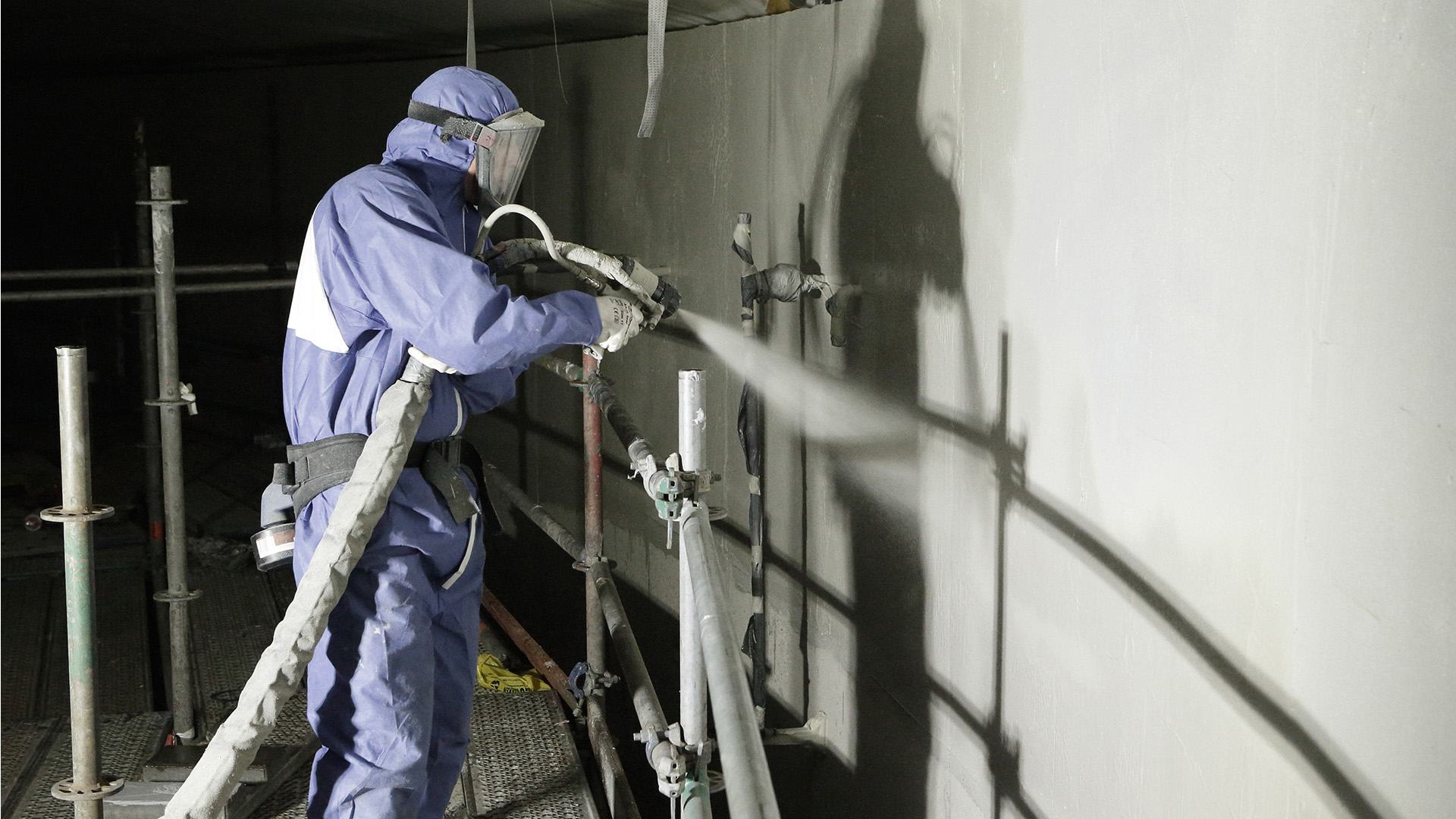
Coatings are often overlooked. People notice the surface, not what protects it. They see a warehouse floor or a truck bed but rarely think about the layer that guards it from damage. In many industries, that layer is polyurea.
Polyurea forms when two reactive components meet—an isocyanate and a resin blend. These materials, mixed at high pressure and heat, react in seconds. The result is a durable membrane that cures fast and bonds tightly. Unlike paint or epoxy, polyurea resists water, chemicals, and impact while staying flexible.
You can spray it on concrete, metal, wood, and foam. It sticks where you apply it and stretches when the base moves. That flexibility helps stop cracks from forming or spreading. In many cases, polyurea does more than protect. It keeps buildings dry, vehicles safe, and structures sound.
The speed of cure matters. Some coatings take hours or days to set, while polyurea forms in seconds. That fast cure helps crews return to service quickly. They can spray a roof or a floor in the morning and walk on it before lunch. When shutdown time costs money, polyurea helps lower those costs.
Still, speed alone does not define it. Polyurea’s structure gives it strength. Polyurea forms a tight matrix of linked chains. These bonds resist wear, UV light, and temperature swings. In hot sun or freezing wind, polyurea stays stable. It does not crack, peel, or fade like softer coatings. That makes it ideal for outdoor work, like bridges, pipelines, and tanks.
Polyurea coatings vary. Formulas shift depending on the use. Some systems harden for abrasion resistance. Others stay soft for waterproofing. The key is choosing the right blend and applying it with care. When done well, the result lasts for years. Crews that apply polyurea often learn to judge temperature, humidity, and mix quality before spraying. Training makes a difference. The best applicators often complete polyurea training before they work on jobs that require precision.
Experience builds confidence. A trained crew can coat a deck, a tunnel, or a silo with the same care. They understand how the material flows, how to avoid voids, and how to fix mistakes. They also know when not to spray—cold substrates or wet surfaces can weaken the bond. Good training covers those limits. It gives crews the judgment to know when to wait.
People outside the industry often ask why polyurea works better than paint or rubber. The answer starts with how it forms. Paint dries. Rubber molds. Polyurea reacts. The reaction makes it stronger and more durable. The cure does not depend on air or time. It comes from chemistry.
You can read about this at polyurea, a site that covers industry trends and new uses. The site includes stories about how polyurea helped protect military vehicles, seal waste tanks, and waterproof rooftops in heavy storms. These are not small tasks. They show how the material performs in hard places.
Contractors use polyurea because it adapts. It coats odd shapes and rough surfaces. It fills gaps. It seals fast. They trust it because it performs under stress. Polyurea holds up in flood zones, highways, and factories when other coatings fail.
Manufacturers keep improving it. Some add color, texture, or fire resistance. Others make systems for low-temperature spray or vertical surfaces. The core chemistry stays the same. What changes is the application.
If you want to dig deeper, polyurea coatings offer a good look at how the material works. That page covers different use cases, including waterproofing, abrasion protection, and corrosion resistance. It breaks down how polyurea works across different settings.
One strength of polyurea comes from its bond. It does not sit on top of a surface; it grips it. When prepped well, polyurea fuses into the top layer of the substrate. That fusion helps it stay put under heavy wear. A forklift can roll across a polyurea-coated floor for years without breaking the surface, and rain can pound a coated roof without causing a leak.
Not every project needs polyurea, but it fits jobs that demand toughness, fast turnaround, or long life. Cities use it to line manholes and water tanks. Oil companies use it on rigs and refineries. Homeowners use it in basements, garages, and driveways. They all need the same thing: protection that lasts.
What makes polyurea unique is how it performs and how people use it. The material works well, but the people behind it matter more. Crews who train well, prep carefully, and skillfully spray get the best results. The best coatings come from hands that know the work.
In time, polyurea may evolve even more. Scientists continue to explore new blends, new uses, and new tools. Still, the basics stay steady. Fast cure. Strong bond. Broad use. These traits carry the material forward.
Understanding polyurea starts with seeing what it does. But to really know it, you have to look deeper—into how it forms, how it bonds, and why it lasts. That’s where the value lies. Not in promises, but in performance. Not in theory, but in practice.
And polyurea stands firm under the surface, where water, heat, and pressure meet.
