Shielding Surfaces: The Benefits of Polyurea Protective Coatings
Polyurea protective coatings offer effective solutions for industries that require strong and reliable surface protection. They stand out due to their remarkable properties and versatility. Understanding what polyurea is and how it works helps…

Key takeaways
4 min read- It results from a chemical reaction between two components: an isocyanate and a synthetic resin.
- The standout features of polyurea include its resilience, flexibility, and strong adhesion.
- Many industries take advantage of polyurea coatings.
- After preparation, technicians mix the components before spraying or applying them onto the target surface.
Polyurea protective coatings offer effective solutions for industries that require strong and reliable surface protection. They stand out due to their remarkable properties and versatility. Understanding what polyurea is and how it works helps in recognizing the benefits it provides for various applications.
What is Polyurea?
Polyurea is a modern type of polymer. It results from a chemical reaction between two components: an isocyanate and a synthetic resin. This reaction occurs rapidly, which allows polyurea to cure quickly. As it sets, it forms a tough and flexible layer. This makes it suitable for various environments that demand durability.
Characteristics of Polyurea
The standout features of polyurea include its resilience, flexibility, and strong adhesion. It bonds well with different materials, such as concrete, metal, and wood. This strong bond contributes to its protective qualities. Additionally, polyurea resists impact, abrasion, and chemical exposure. These properties render it ideal for many industrial applications and environments.
Polyurea also withstands extreme temperatures. This feature allows it to perform well in both hot and cold conditions. Its excellent UV resistance prevents degradation from sunlight, ensuring longevity. Together, these characteristics enable polyurea to serve as a reliable barrier against environmental stressors.
Applications of Polyurea Coatings
Many industries take advantage of polyurea coatings. They find use in automotive, construction, and oil and gas sectors. In automotive manufacturing, polyurea coatings protect vehicles from corrosion and physical damage. The construction sector uses these coatings to coat foundations and other surfaces, extending their life.
In the oil and gas industry, polyurea plays a crucial role in preventing spills and leaks. Its chemical resistance helps safeguard equipment and surrounding areas. Facilities that require clean and safe operations benefit significantly from these coatings. They help maintain integrity and prevent costly accidents.
Installation Process
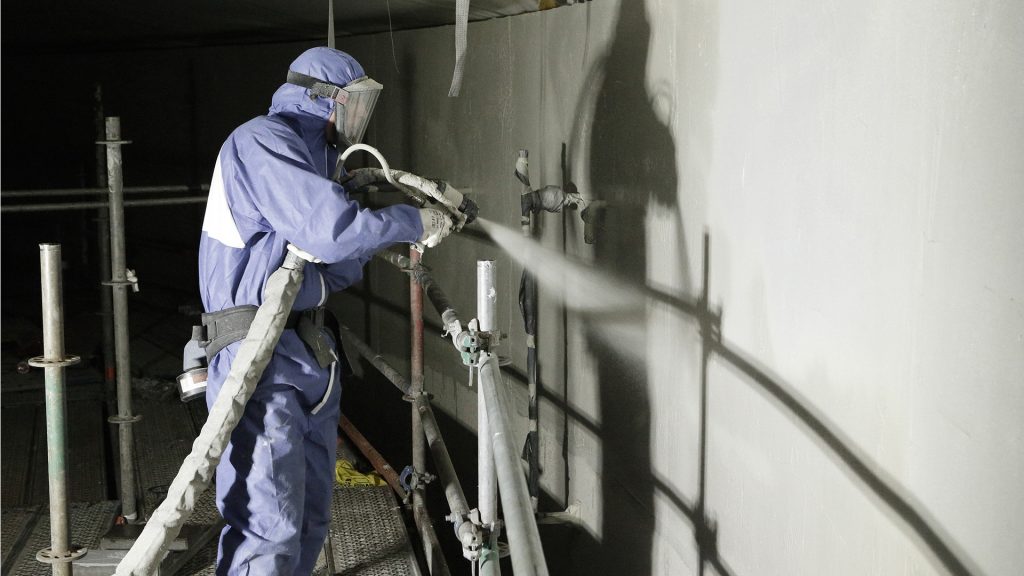
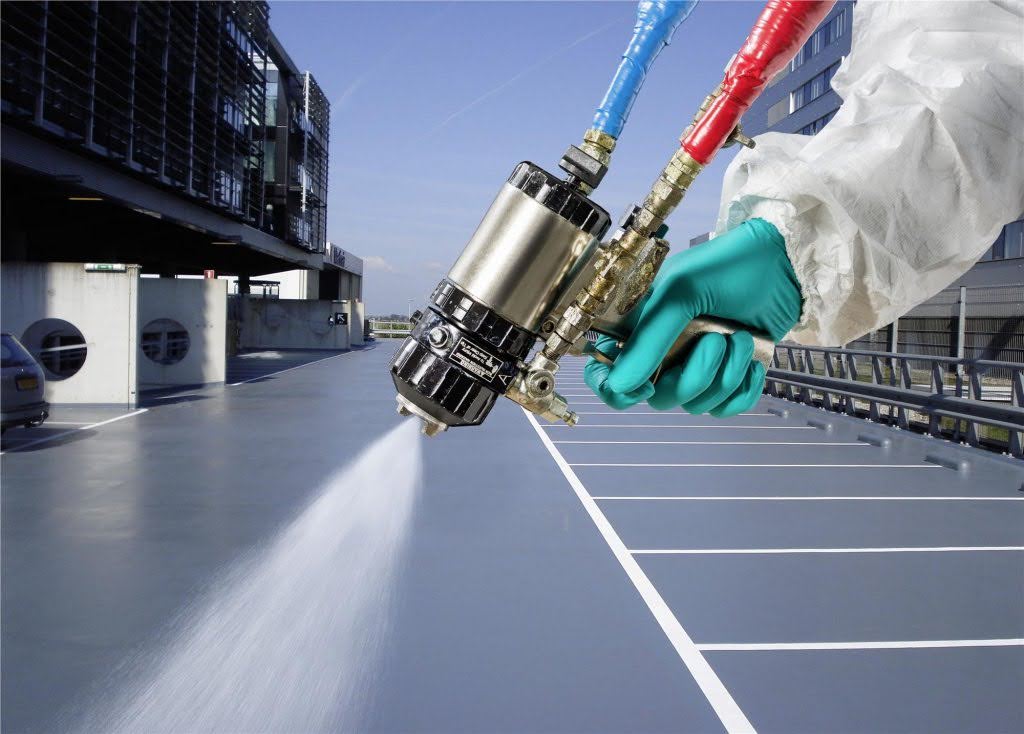
Applying polyurea involves several steps. First, surface preparation is vital. Clean surfaces remove debris, dirt, and oil. This ensures proper adhesion. After preparation, technicians mix the components before spraying or applying them onto the target surface. The rapid cure time means projects often complete quickly, minimizing downtime.
While installation seems straightforward, skilled technicians must perform it. They need to understand the properties of polyurea to ensure optimal results. Proper application techniques help avoid issues such as bubbles or uneven layers. The technicians’ experience plays a critical role in achieving a durable finish that meets expectations.
Maintenance of Polyurea Coatings
Maintaining polyurea coatings is relatively easy. Regular inspections help identify any wear or damage. Cleaning surfaces with mild detergents usually suffices. Over time, surfaces might accumulate dirt or grime, but this does not hinder their protective properties. By taking care of them, property owners can maximize the lifespan of polyurea coatings.
In some cases, years might pass before significant maintenance becomes necessary. However, addressing minor scratches or dents quickly helps maintain the integrity of the coating. Regular upkeep ensures that the protective layer remains effective, extending its usefulness and the life of the underlying surface.
Advantages Over Other Coatings
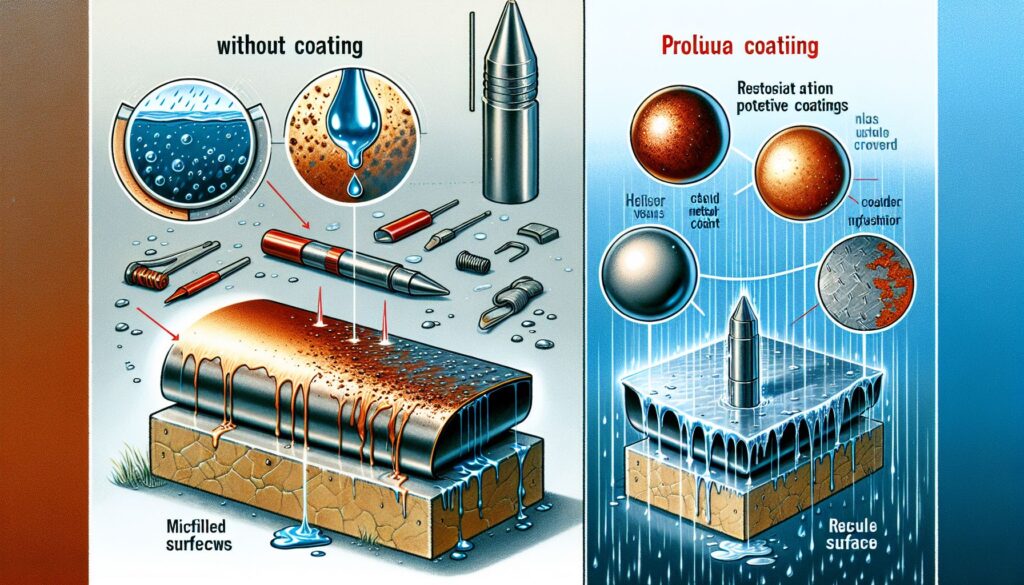
Polyurea shows distinct advantages when compared to other protective coatings. Many traditional coatings take longer to cure and can be prone to damage during the curing process. Polyurea’s rapid cure time minimizes this risk. Additionally, it adheres better to various surfaces, providing enhanced protection against moisture and chemicals.
Other coatings may falter in extreme weather conditions. In contrast, polyurea continues to function effectively under temperature fluctuations. Its flexibility allows it to expand and contract without cracking. This adaptability is crucial for surfaces that undergo stress or movement.
Sustainability of Polyurea
An often-overlooked aspect of polyurea coatings is their environmental sustainability. Certain formulations reduce volatile organic compounds (VOCs), making them safer for indoor and outdoor use. This focus on sustainability aligns with the growing emphasis on eco-friendly practices across different industries.
Choosing materials that contribute to a healthier environment helps companies maintain compliance with regulations. Furthermore, investing in durable coatings minimizes the need for frequent replacements. This not only saves costs but also reduces the environmental impact of manufacturing new products.
Conclusion
Polyurea protective coatings serve as effective solutions for demanding environments. Their unique properties, rapid application process, and minimal maintenance requirements make them ideal for various sectors. By understanding these merits, businesses can make informed choices about surface protection. The longevity and resilience of polyurea stand as a testament to its value, providing a reliable shield for today’s industries.