The Benefits of Polyurea Protective Coatings
Polyurea protective coatings offer a robust solution for various surfaces. These coatings serve a range of purposes, from safeguarding industrial equipment to protecting residential structures. Understanding the properties and applications of polyurea can help…
Key takeaways
3 min read- It forms when a polyol reacts with an isocyanate.
- One of the standout features of polyurea is its flexibility.
- In industrial settings, it protects equipment and floors from wear and tear.
- Another important aspect of polyurea is its environmental impact.
Polyurea protective coatings offer a robust solution for various surfaces. These coatings serve a range of purposes, from safeguarding industrial equipment to protecting residential structures. Understanding the properties and applications of polyurea can help you appreciate its advantages.
What is Polyurea?
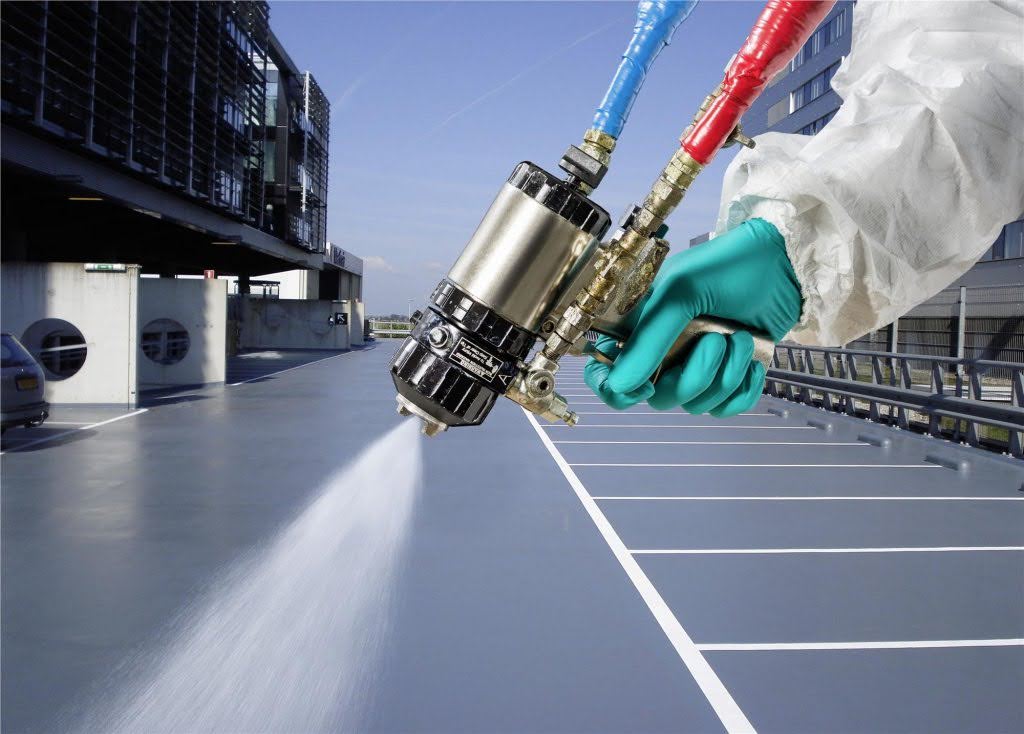
Polyurea is a type of elastomer. It forms when a polyol reacts with an isocyanate. This reaction occurs rapidly, which makes polyurea easy to apply. The mixture sets quickly, allowing for rapid installation and minimal downtime. Polyurea can adhere to many surfaces, making it versatile for different projects.
Properties of Polyurea
One of the standout features of polyurea is its flexibility. This property allows it to expand and contract with temperature changes. Such flexibility helps prevent cracking, ensuring long-lasting performance. The material also shows resistance to chemicals. This quality makes it suitable for use in environments where spillages or exposure to corrosive substances may occur.
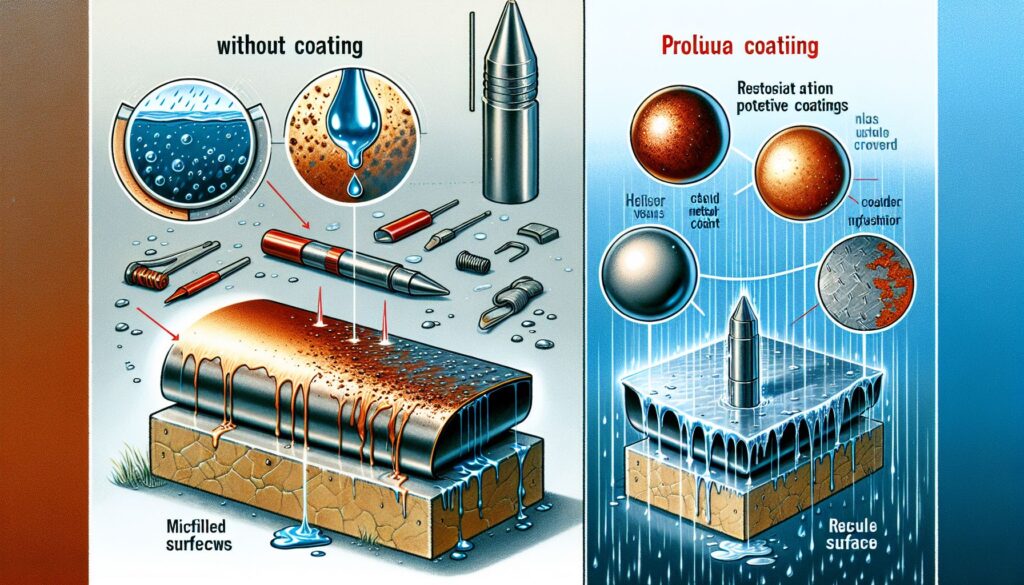
Additionally, polyurea is waterproof. This characteristic keeps surfaces dry and safe from mold or mildew growth. The quick cure time means it can be applied in wet conditions without losing effectiveness. This attribute makes it particularly valuable in regions with high rainfall.
Applications of Polyurea
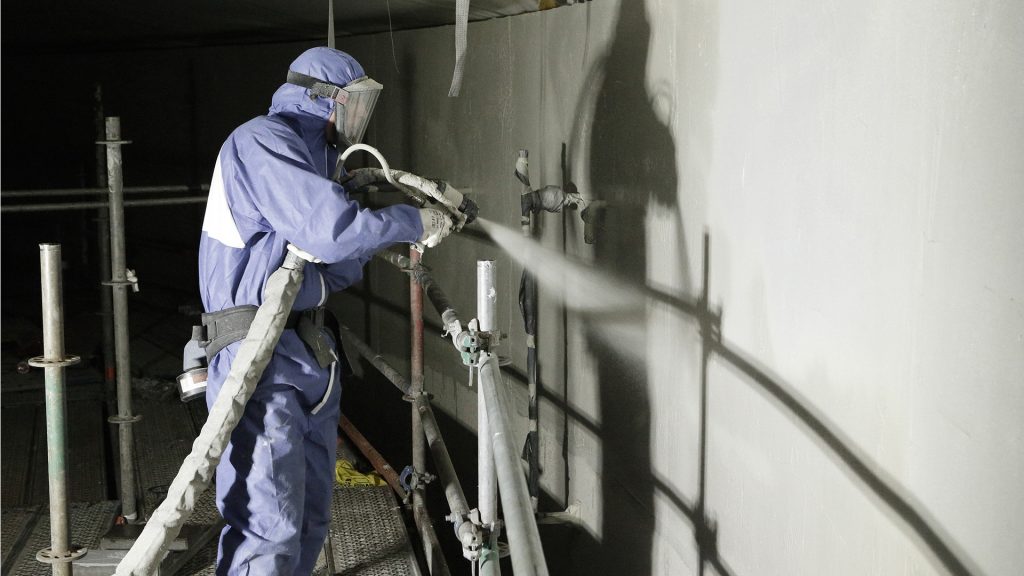
Polyurea has widespread applications. In industrial settings, it protects equipment and floors from wear and tear. Its durability handles heavy machinery and foot traffic, extending the life of these surfaces. Many factories use polyurea to guard against chemical spills, making it a practical choice for maintaining safety.
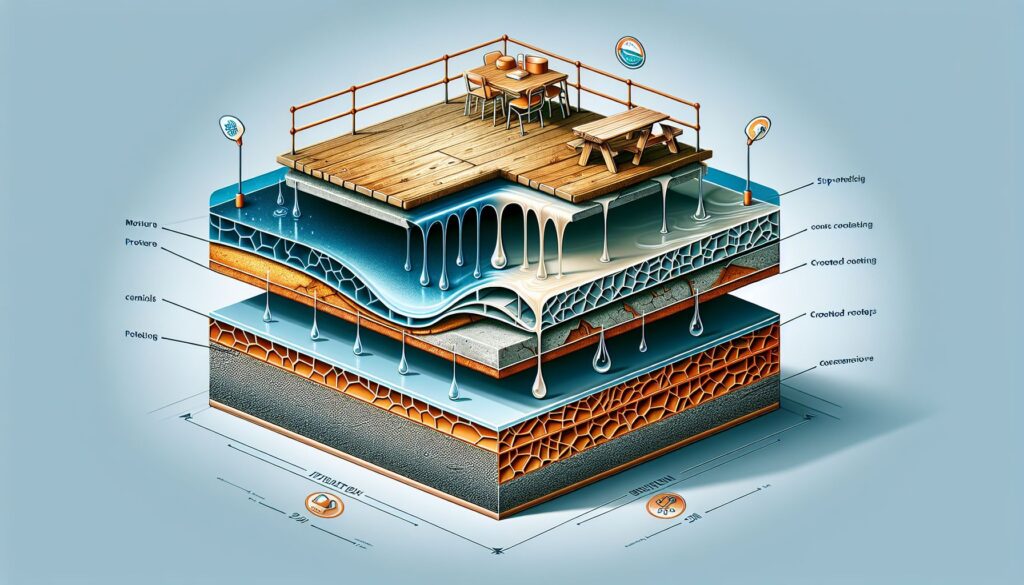
In construction, polyurea coatings protect roofs. These coatings can seal leaks and improve energy efficiency. Homeowners appreciate that polyurea adds an extra layer of insulation, which can lower heating and cooling costs.
Furthermore, polyurea finds use in the automotive industry. Car manufacturers apply it to parts that experience high stress. This application not only boosts durability but also enhances the aesthetic appeal of vehicles.
Environmental Considerations
Another important aspect of polyurea is its environmental impact. Many formulations contain low volatile organic compounds (VOCs). This means they release fewer harmful emissions during application. As more industries seek to reduce their carbon footprints, polyurea stands out as a more eco-friendly option.
Furthermore, polyurea’s long lifespan contributes to sustainability. A longer-lasting coating means less frequent replacements. This approach leads to reduced waste and lower resource consumption over time.
Advantages of Using Polyurea
The fast application of polyurea translates to quicker project completion. Construction and maintenance teams can finish jobs sooner, reducing labor costs. The smooth finish of polyurea coatings also means less time is needed for touch-ups or refinishing.
Moreover, polyurea can bond with various substrates. This adaptability allows for use on metal, concrete, and wood, among others. Such versatility reduces the need for multiple products on a job site, simplifying the process.
The seamless application of polyurea minimizes joints and seams. This factor helps reduce the risk of leaks or damage. When applied correctly, polyurea creates a solid barrier against external elements.
Maintenance and Care
Maintaining polyurea-coated surfaces is relatively straightforward. Regular cleaning with mild soap and water can keep the surface looking new. Unlike some coatings, polyurea does not require frequent reapplication, thanks to its durability.
Users should always follow the manufacturer’s guidelines for care and maintenance. Avoid harsh chemicals that can damage the coating. Regular inspections can help identify any areas needing attention, ensuring the longevity of the protective layer.
Conclusion
Polyurea protective coatings provide an array of benefits across various sectors. Their unique properties make them suitable for industrial, commercial, and residential applications. As environments change and evolve, polyurea offers a reliable solution for many protective needs. Understanding its advantages can help you make informed decisions about your protective coating options.